Wednesday, 6 March 2013

1987

February 16, 1987


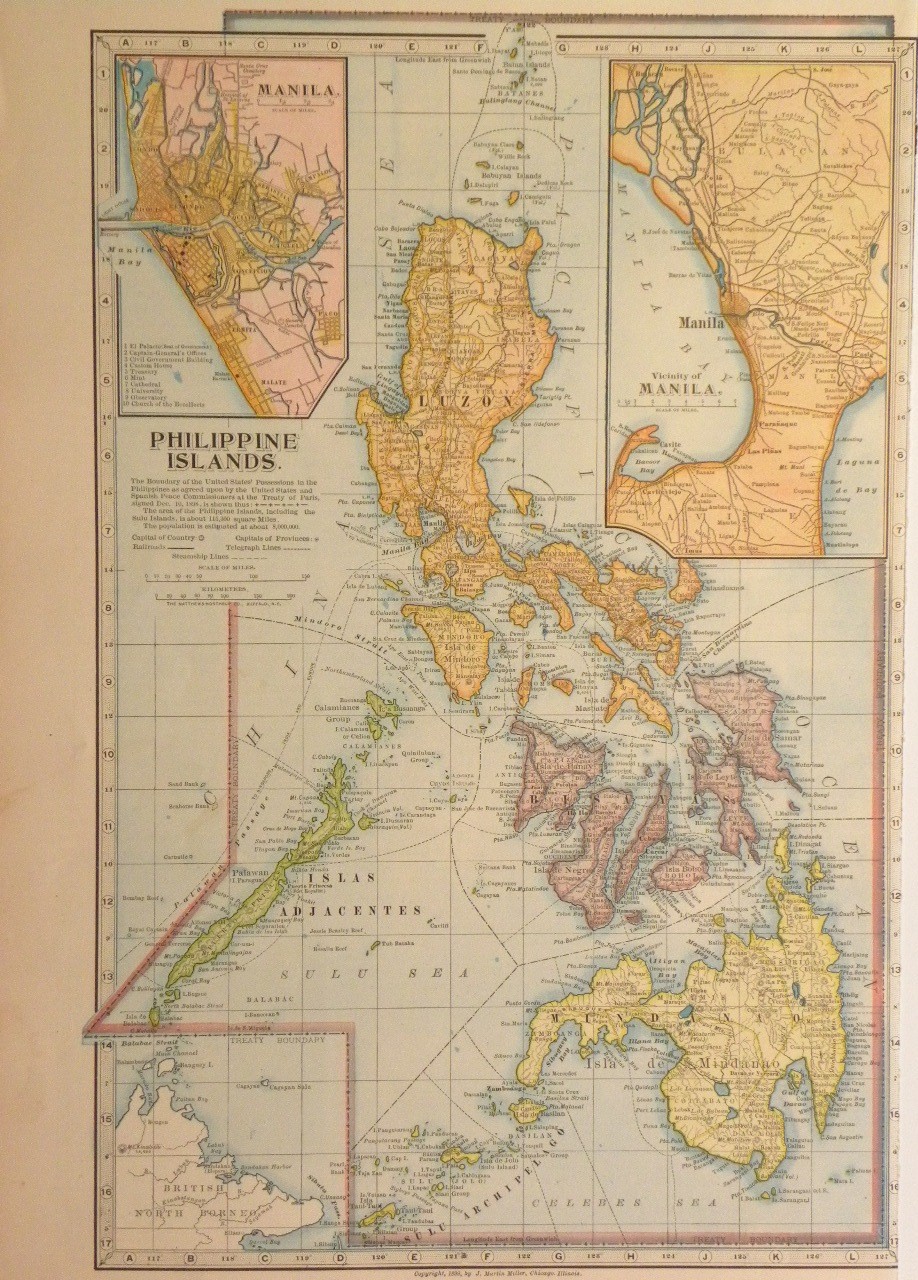
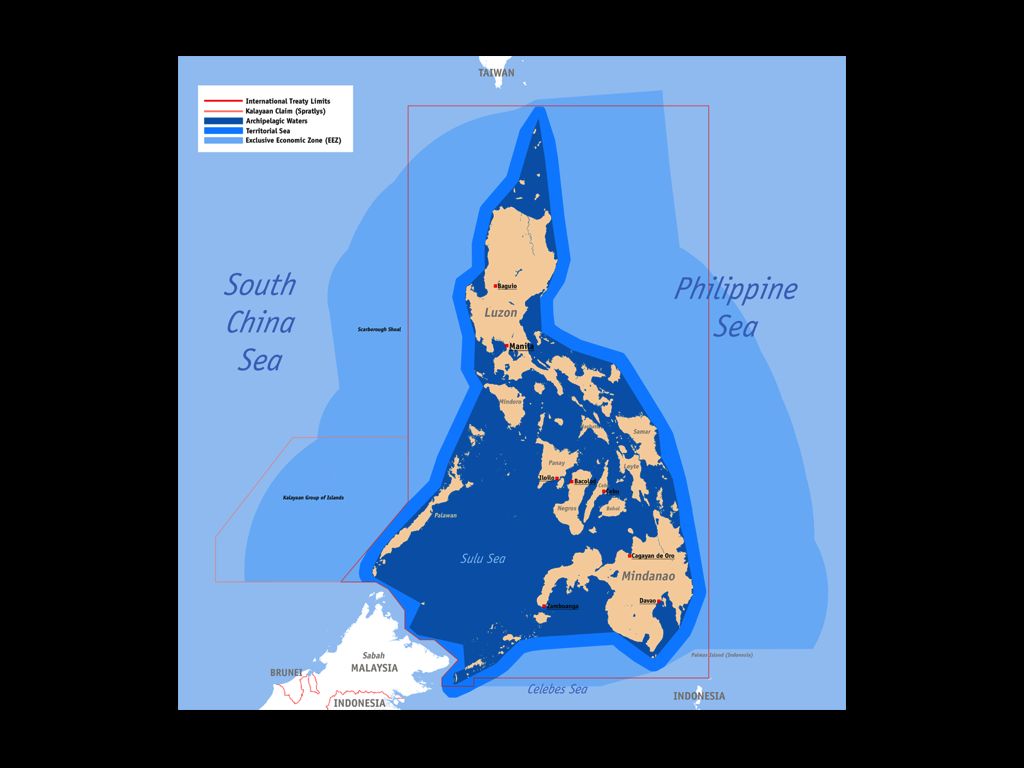
Philippines with various demarcations

1987 Constitution comes into full force and effect, in fulfilment of the first stipulation of the Malaysians.

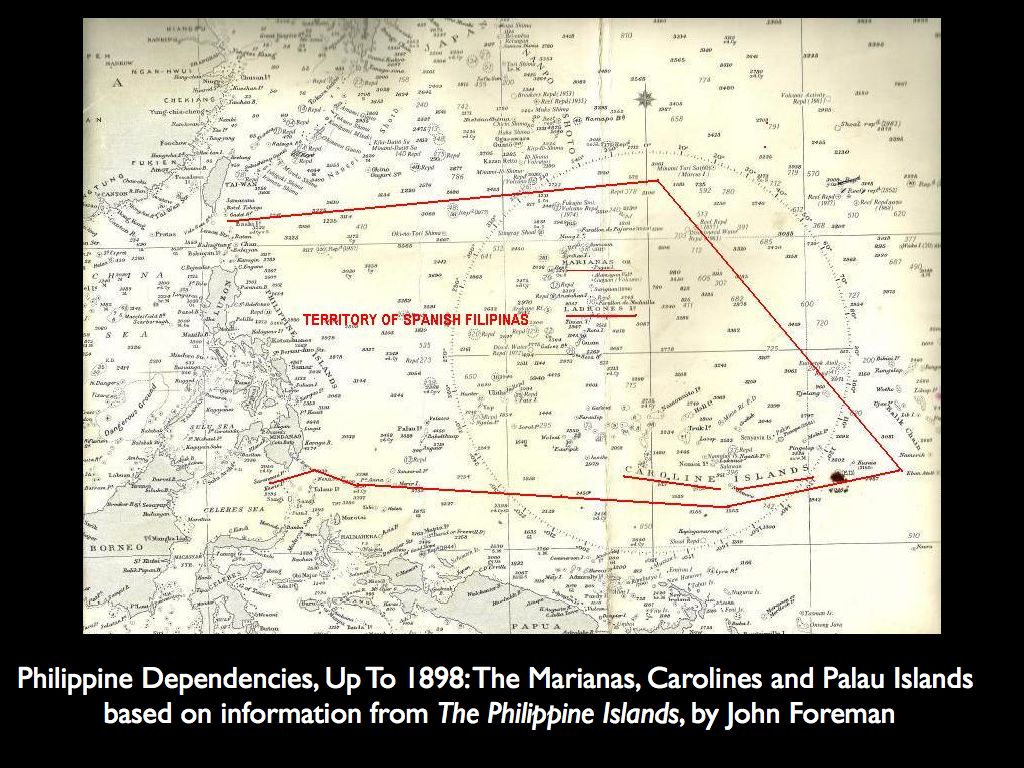
The national territory comprises the Philippine archipelago, with all the islands and waters embraced therein, and all other territories over which the Philippines has sovereignty or jurisdiction, consisting of its terrestrial, fluvial and aerial domains, including its territorial sea, the seabed, the subsoil, the insular shelves, and other submarine areas. The waters around, between, and connecting the islands of the archipelago, regardless of their breadth and dimensions, form part of the internal waters of the Philippines.

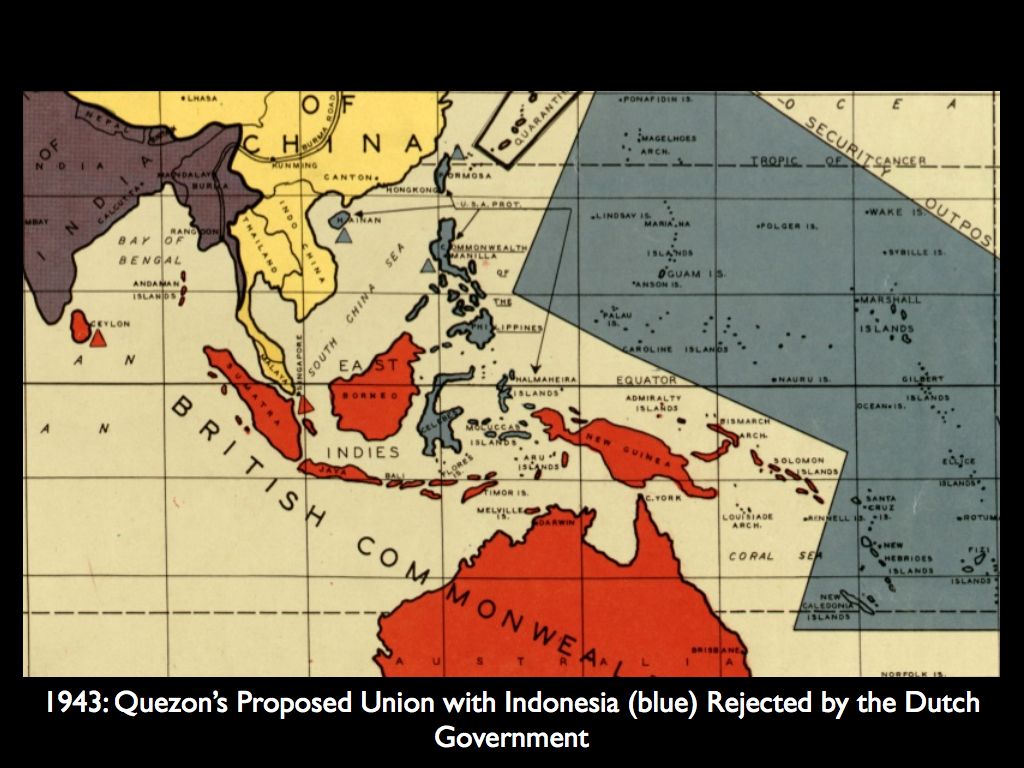
1942-1945


1942-1945

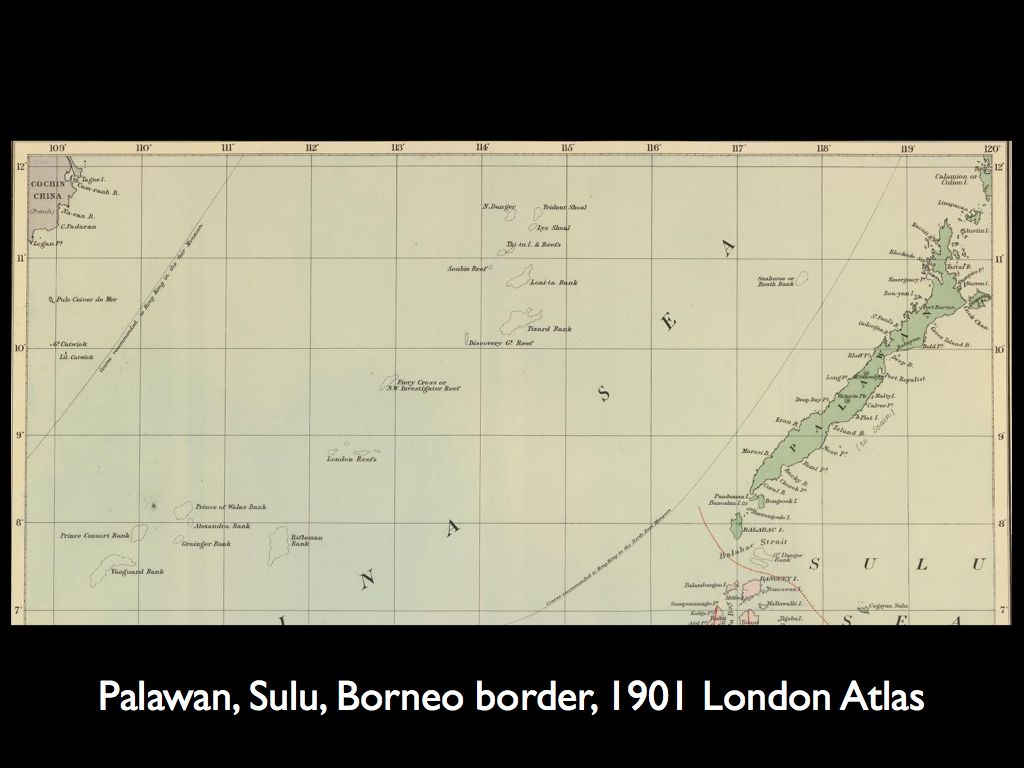
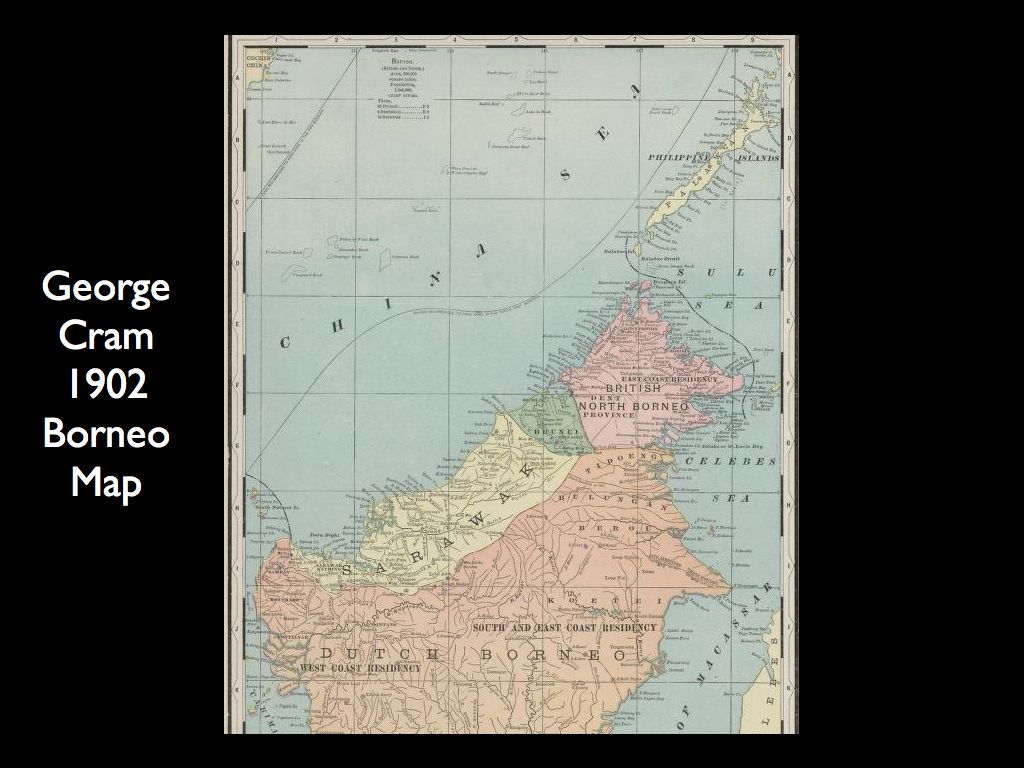
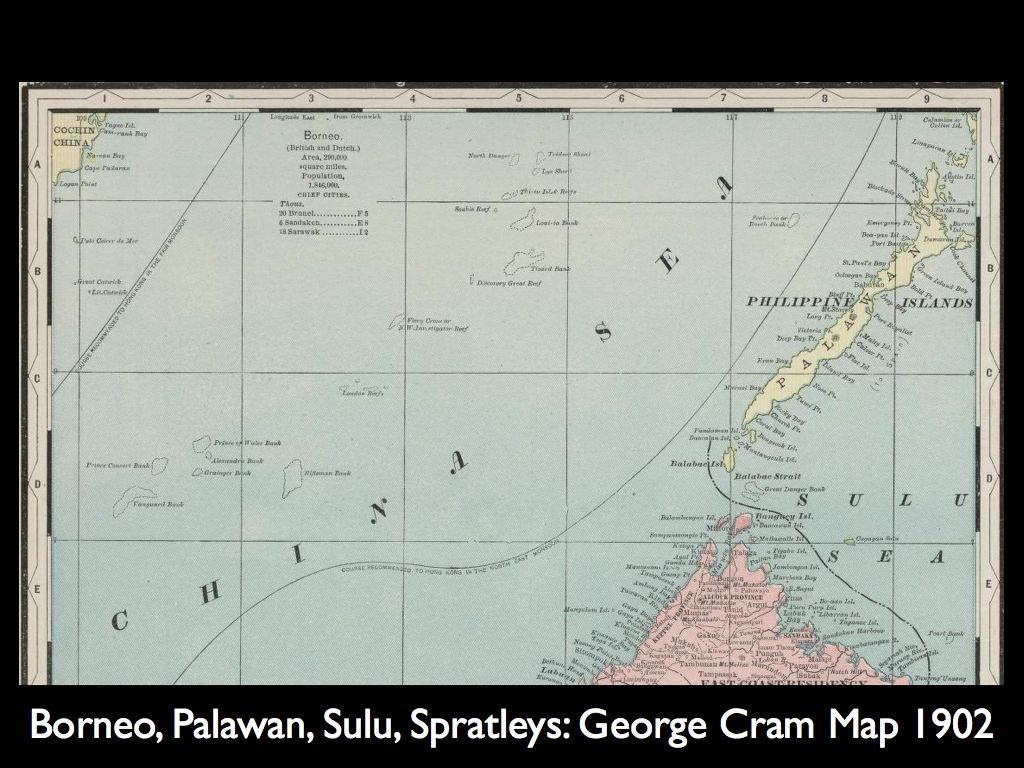
1901, 1902


(c) http://www.quezon.ph/2013/03/01/north-borneo-sabah-an-annotated-timeline-1640s-present/

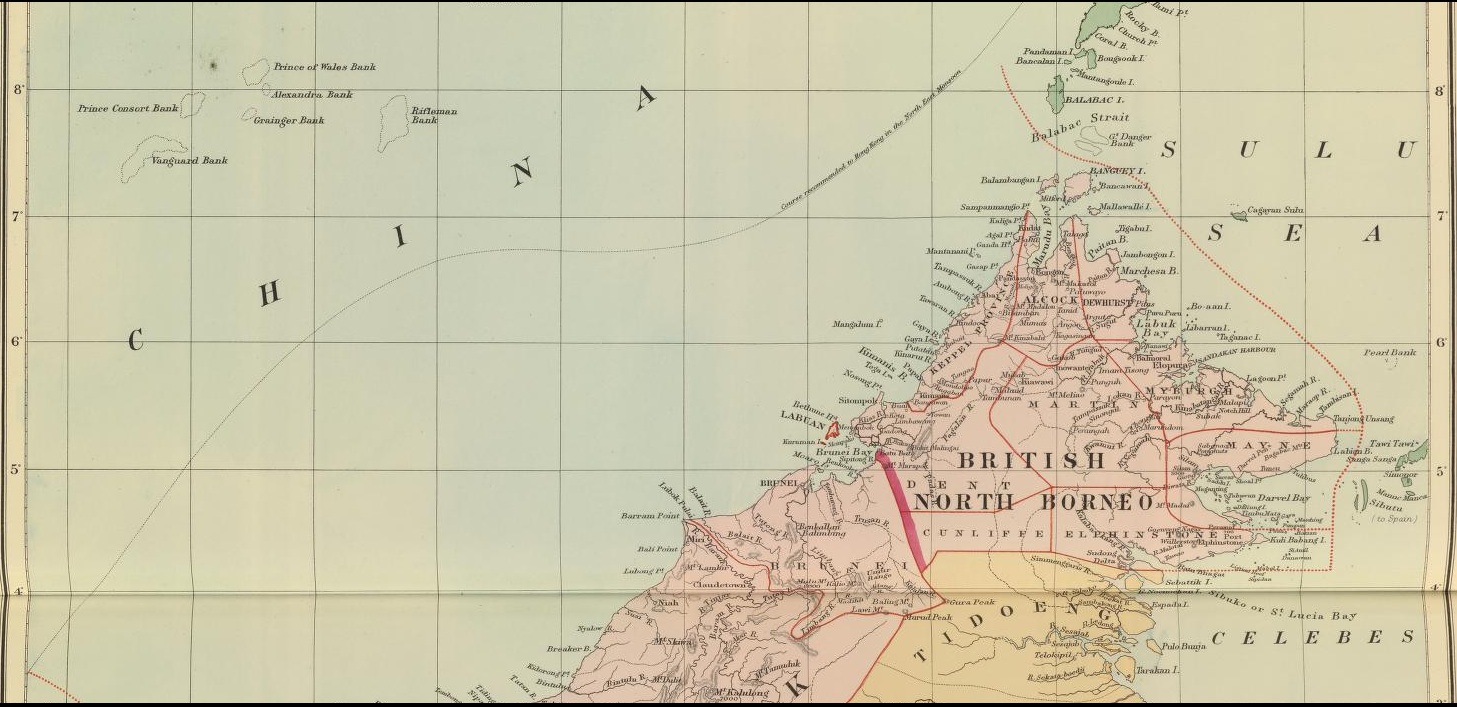
1900, 1901


November 7, 1900
Consolidate the American possessions in the Sulu archipelago by including the islands of Sibutu and Cagayan, both of which had always formed part of the possessions of the Sulu sultanate.
British North Borneo Company obtains from Sultan of Sulu even more territory.


Philippines, Borneo: 1901 London Atlas


(c) http://www.quezon.ph/2013/03/01/north-borneo-sabah-an-annotated-timeline-1640s-present/

1898, Paris Treaty


December 10, 1898
Spain cedes the Philippine Islands to the United States of America. The treaty lines did not include North Borneo (Sabah).


Treaty of Paris


(c) http://www.quezon.ph/2013/03/01/north-borneo-sabah-an-annotated-timeline-1640s-present/

1894-1936, 1898


1894-1936
Sultan Jamalul Kiram II rules the Sultanate of Sulu.


(c) http://www.quezon.ph/2013/03/01/north-borneo-sabah-an-annotated-timeline-1640s-present/

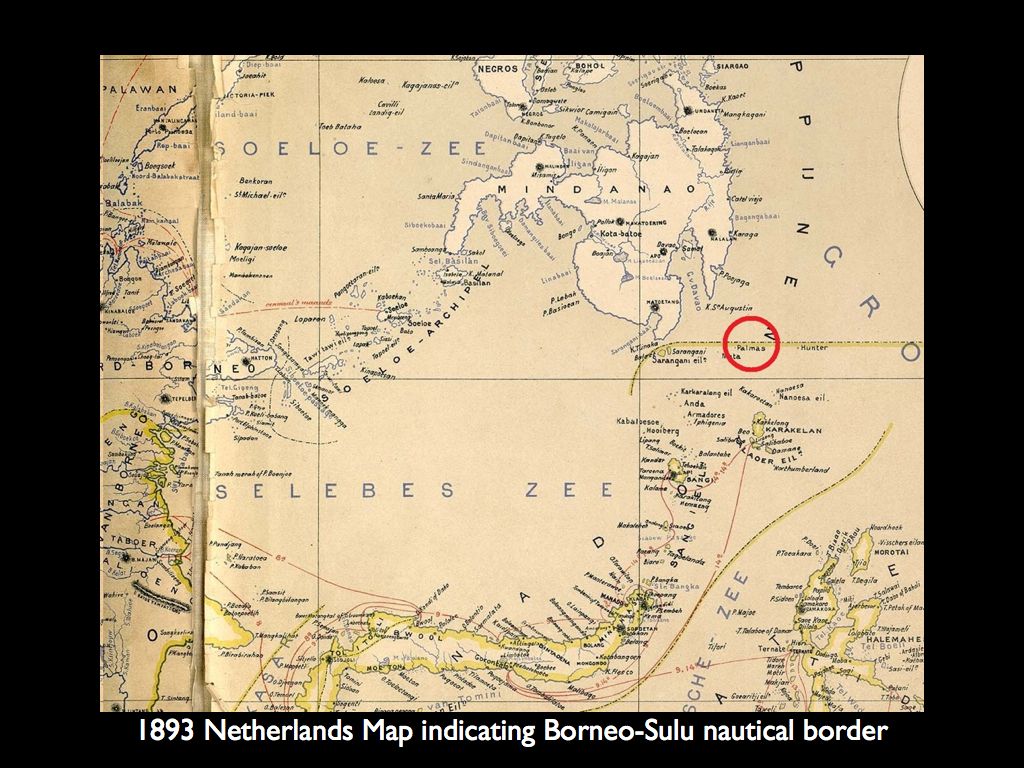
1892, 1893


1892
Jose Rizal proposes to the Spanish government to establish a Filipino colony in Sabah. This plan, however, does not push through.